

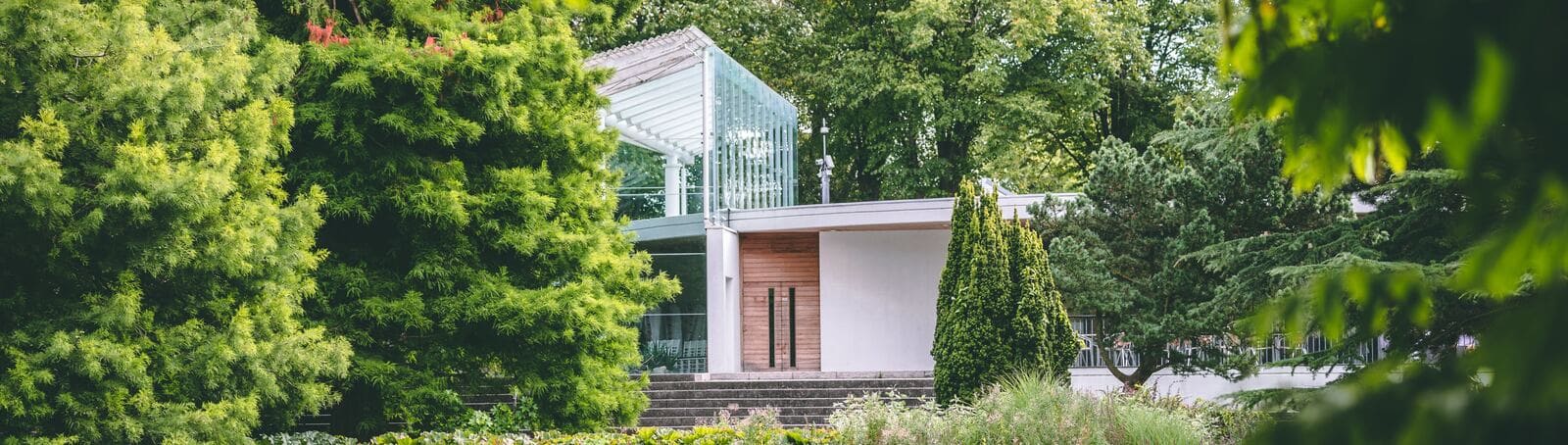
Spa-goers are seeking more than just a relaxing massage or facial. They want an overall wellness experience that nourishes their mind, body, and spirit. As such, Bangkok spas are increasingly integrating sustainable house and garden elements into their design to create an oasis of calm and relaxation for their clients. From eco-friendly materials and energy-efficient lighting to lush greenery and water features, these elements not only enhance the aesthetics of the spa but also promote sustainability and health. In this article, we will explore the benefits of incorporating sustainable house and garden elements in Bangkok spas and how it enhances the overall spa experience for clients.
Benefits of Sustainable House and Garden Elements in Bangkok Spas
Businesses are beginning to integrate sustainability into their operations as customers become more environmentally sensitive. This is especially true in the spa sector, where providing a pleasant experience depends on fostering a calm and quiet environment. Sustainable house and garden components are now being used in Bangkok spas to improve the treatment experience for their patrons. We’ll discuss the advantages of including these components and how they can make a difference in this article.
Reducing the spa’s carbon footprint is one of the main advantages of combining sustainable housing and garden aspects. Spas may reduce their energy use and trash output by utilizing eco-friendly procedures and sustainable products. This has positive effects for the environment as well as potential economic savings.
Sustainable home and garden features can enhance the spa’s overall design and ambiance in addition to being good for the environment. A quiet and calming environment can be produced by including plants and natural components like wood, stone, and water. Numerous spas are choosing to incorporate outdoor spaces since research suggests that being in nature can help people feel less stressed and anxious.
Examples of Sustainable House and Garden Elements in Bangkok Spas
Let’s look at some instances of sustainable house and garden components used in Bangkok spas’ interior design.
- Vertical Gardens – These are a terrific method to fit plants into a small space and are being installed in many spas. By filtering pollutants, these gardens, which can be constructed from repurposed materials, can enhance the quality of indoor air.
- Solar Panels – To lessen their dependency on conventional energy sources, some spas are adding solar panels. In addition to being ecologically benign, this can eventually save energy expenses.
- Natural Materials: Natural elements like stone, wood, and bamboo are being used in the decor of Bangkok spas. These materials are long-lasting and beautiful to look at in addition to being sustainable.
- Fountains and ponds are examples of water elements that can serve to create a tranquil and serene atmosphere. In addition to being used to collect and reuse rainwater, these features can be created using recycled material.
Challenges of Implementing Sustainable House and Garden Elements in Bangkok Spa
While adding sustainable housing and garden aspects has numerous advantages, there are also considerations that must be made. The expense of putting these components into practice is one of the major obstacles. Some spas may find it prohibitive to use eco-friendly technologies and sustainable materials because of their higher initial costs.
The upkeep of these components presents another difficulty. Water features need to be cleaned and maintained, and plants need to be watered and cared for regularly. Spas must make sure they have the means to maintain these components in order to keep them both attractive and functional.
Conclusion
As a result, including sustainable housing and garden components in Bangkok spas can have a positive impact on the environment, guests, and the spa itself. Spas may improve the entire spa experience for their clients while lowering their carbon footprint by designing a tranquil and environmentally friendly location. Although putting these principles into practice presents some difficulties, the advantages outweigh the drawbacks. It’s wonderful to watch how sustainability will continue to influence how spas develop as the spa business develops.